
CHILDREN ADOLESCENCE ADULTS
Therapy for neurodivergent people, by a neurodivergent clinician.
Occupational therapy that addresses the root, not the moment. For children, teens, and adults whose nervous systems were built for a different world than the one they're living in.
APPROACH
Neurodivergent lived experience
Therapy designed by someone who lives it not a model built about us, without us.
FRAME OF REFERENCE
The Sociological Frame
We see the person inside a system — and work on the fit between the nervous system and the world around it.
FRAME OF REFERENCE 2
Ayres Sensory Integration®
The foundational sensory frame in OT performed in a specialized environment. Root-cause work at the level of the nervous system itself.
TREATMENT CHOICES
AHA-certified hippotherapy
The horse as treatment partner. American Hippotherapy Association certified.

THE APPROACH
Therapy for us, by us.
I'm an AuDHD woman with dyslexia and dyspraxia. I built this practice for people whose nervous systems work like mine — and for the families navigating it alongside them.
So much of what gets called "best practice" in pediatric therapy was built about us, without us — by allistic and neurotypical clinicians, with goals that look like normalization and outcomes that look like compliance. I don't practice that way. I can't.
My approach centers neurodivergent lived experience, the scholarship of autistic self-advocates, and the science of how our nervous systems actually work. It is strengths-led, identity-affirming, and built on the assumption that the people in this room — including the kids — are already whole.
Presuming competence, always
Starting with authentic engagement
Building on special interests
Honoring different neurotypes
Strengths-led, not deficit-focused
Affirming, never normalizing
“I’m not here to make my clients easier to manage. I’m here to help them become more of themselves — with the regulation, capacity, and self-knowledge to live lives that actually fit.
”
BEHAVIOR IS COMMUNICATION
Most clients arrive with a list. We start with a question.
Many of our clients have been told they have "sensory needs" — or that their child does. But it's rarely clear who to see or what kind of support will actually help. Some arrive in full burnout. Others are just learning about masking. OT with advanced training in Ayres Sensory Integration® looks at the whole individual: not just behaviors in the moment, but the nervous system, the relationships, and the daily life underneath.
When we understand the nervous system, the sensory-motor foundations, and the role of environmental fit, behavior stops being a problem to solve and starts being information we can use .That is the work of occupational therapy — to read what the body is telling us, and to build the skills, supports, and environments that let a person participate in the life they want to live.
HOW WE SEE, HOW WE WORK
Two frames of reference. One treatment method.
In occupational therapy, a frame of reference is the lens that organizes how we see the person and choose our interventions. We work primarily through two — and apply them through a method few clinics can offer
THE SOCIOLOGICAL FRAME
We don't see the person as broken.
Most pediatric OT is shaped by frames of reference that operate within the medical model — identify the deficit, write the goal, remediate. That stance positions the person as the problem to be fixed.
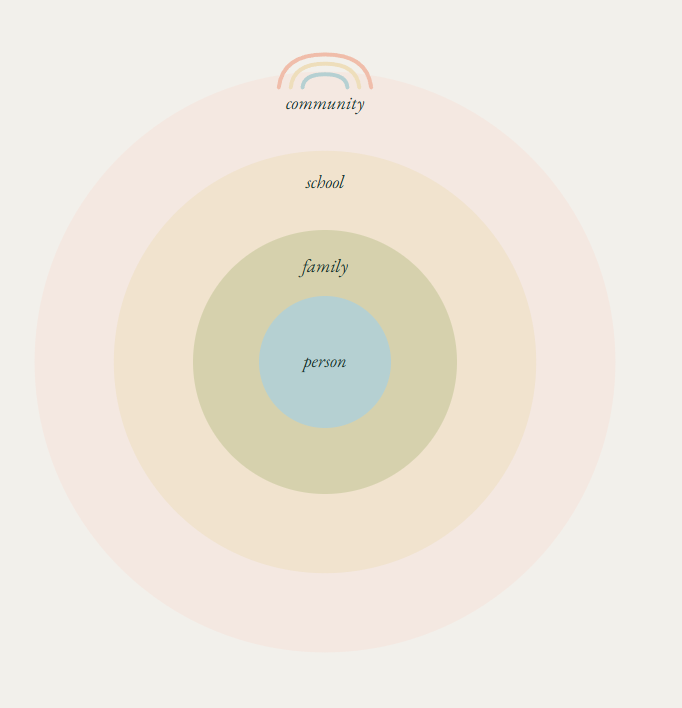
The sociological frame doesn't see the person as the unit of dysfunction. It sees a person inside a system — body, family, school, community, culture — and looks for the misalignments between the nervous system and the environments around it. Goals come from that wider view. Outcomes are measured not just in skill acquisition, but in fit, participation, belonging, and self-determination.
This is OT practiced through the lens of disability justice and neurodiversity scholarship — not OT practiced kindly within the same medical-model assumptions.
AYERS SENSORY INTEGRATION
Root-cause work. Not activity management.
Many people use the word "sensory." Almost everyone has heard about sensory needs, sensory diets, sensory rooms. The word has gotten loose.
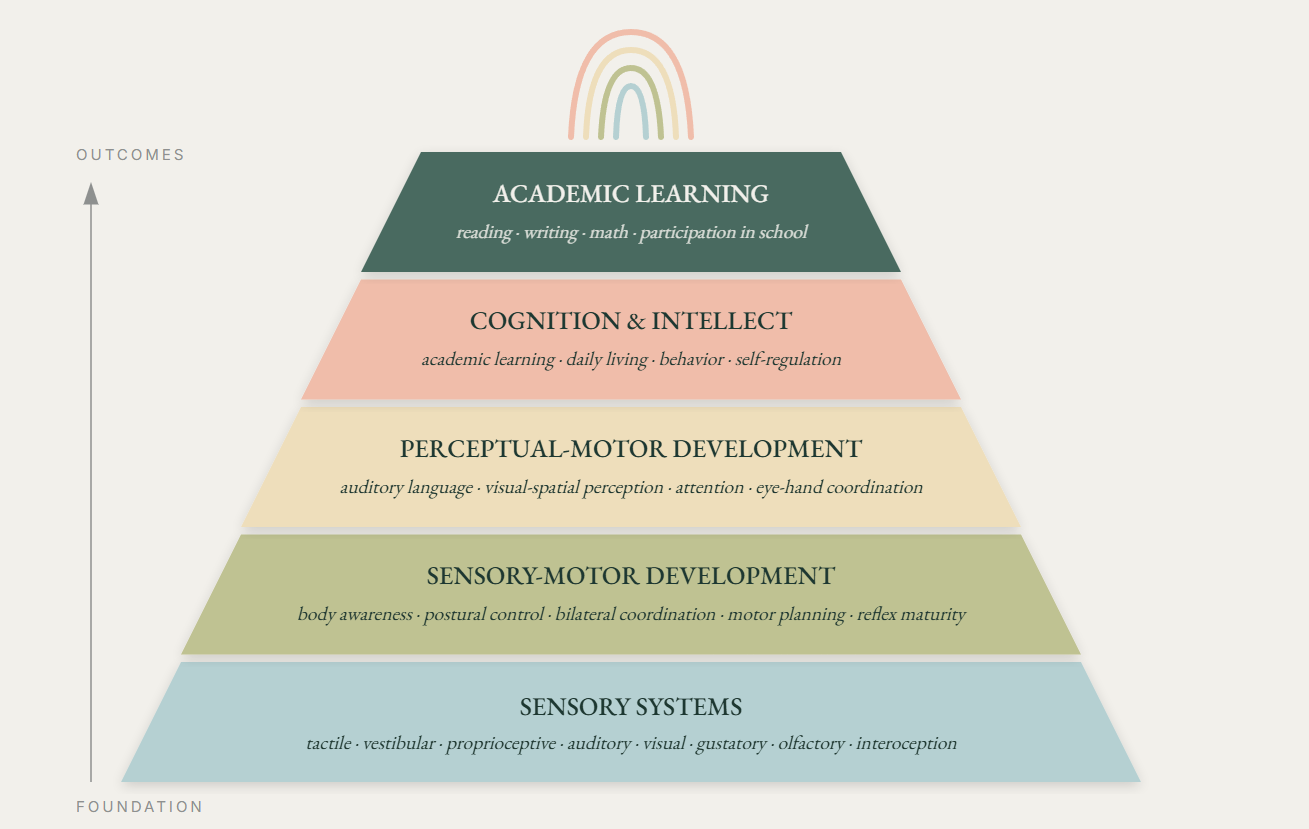
Ayres Sensory Integration is something different — a clinical framework developed by Dr. A. Jean Ayres in the 1960s and built on by fifty years of peer-reviewed research. It is a theory, a diagnostic process, and a specific intervention method.
ASI assesses the foundational sensory systems — vestibular, proprioceptive, tactile — and rebuilds from the ground up. When the foundation organizes, everything sitting on top of it changes: attention, regulation, motor planning, learning, identity.
AHA-CERTIFIED HIPPOTHERAPIST
The horse as therapy partner.
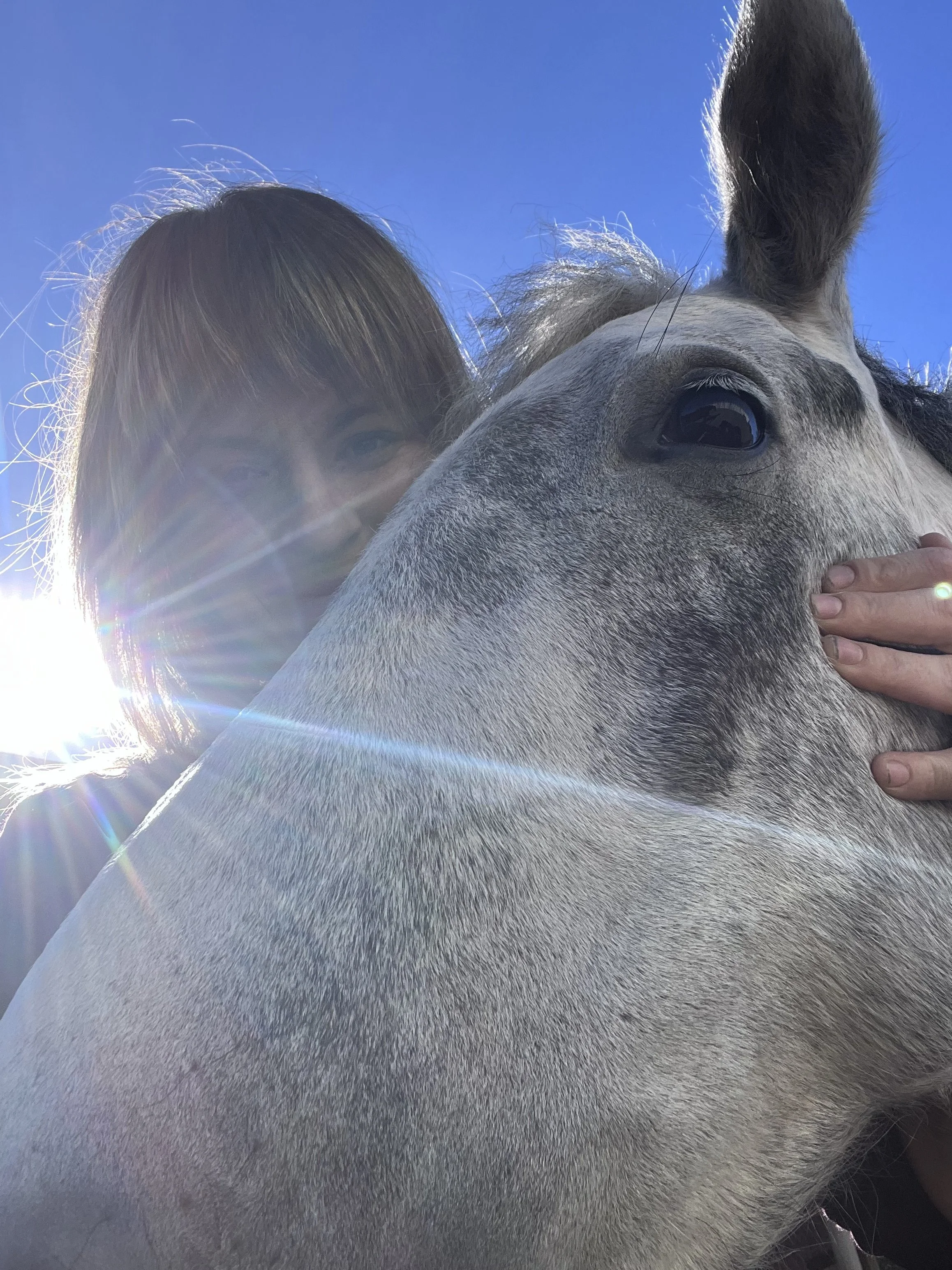
Hippotherapy is occupational therapy delivered in partnership with a horse. The horse's three-dimensional movement provides sensory input that is impossible to replicate in any clinic — graded, rhythmic, and deeply integrating for the nervous system.
This is not horseback riding. It is licensed occupational therapy using the horse as a treatment tool, with American Hippotherapy Association (AHA) certification — the credential that signals trained, evidence-based clinical practice with equines.
Sessions happen on a 50-acre farm, outside, with another living being. For sensory regulation, postural control, attention, and confidence, there is nothing else like it.
WHO WE SERVE
Children, teens, and adults.
Whose nervous systems were built for a different world than the one they're living in
For Children & Families
Behavior is communication — let's listen.
When parents understand their child's nervous system, everything changes. The behavior stops feeling like defiance and starts making sense.
Feeling at home in your body
Calming down after big feelings
Paying attention to what matters
Knowing what you want and asking for it
Sleeping, eating, transitions, mornings
Reading your child the way they need to be read
For Teens & Adults
You've been managing for a long time.
Burnout isn't a character flaw. It's what happens when a sensitive nervous system is asked to perform in environments that weren't built for it — for years.
Feeling at home in your body
Knowing what you need before you crash
Finishing the day with something left
Understanding why some days cost more than others
Building a life that actually fits
Trusting your own read on things
WHAT WE BELIEVE
Our Manifesto.
Behavior is communication to be listened to, not a problem to be fixed.
Nothing about us, without us. Therapy for neurodivergent people should be built with neurodivergent voices at the center.
Regulation is not compliance. A calm child is not always a well child.
We presume competence. Always. About every person we work with, regardless of how they communicate.
A person's interests are not distractions from therapy. They are the curriculum.
Burnout in teens and adults is not a personal failure. It's a nervous system that's been asked to do too much in environments that don't fit.
Affirming, never normalizing. The goal isn't to make a person look more typical. It's to help them become more of themselves.
Strengths first. Every nervous system has a profile. We work from what's strong, not what's missing.
START HERE
Free 15-min consult
A quick phone call. Tell us what's going on, and we'll tell you whether we're the right fit. Lowest commitment, fastest answer.
Ready to Begin?
Pick the next step that feels right.
Three ways to start. No pressure, no commitment beyond what you choose. We'll meet you where you are.
READY TO EVALUATE
Request an evaluation
You've done your research and you're ready to start. We'll schedule a comprehensive evaluation and build a plan from there.
HAVE QUESTIONS
Send us a message
Not sure where to start? Write us a few sentences about what brings you here. We read every message ourselves.